
By Mark Smith 07/01/2026
Under: News and EventsQ1 Construction Site Safety Compliance Checklist for the New Year
The start of a new year often jolts everyone back to reality on construction sites across the UK. After the holiday lull, teams come together again, projects kick off, and the unpredictable British winter sets the stage for what’s to come. The first quarter can be the trickiest time for construction, not because site managers become less competent, but because conditions get tougher, workers lose momentum, and equipment is pushed to its limits.
This is the point in the year when the most respected site managers don’t simply follow compliance rules; they tighten them. They walk the site with a keen eye, evaluating every potential hazard as if it’s just waiting for a chance to strike. Think of this guide as a New Year's resolution.
Why Q1 Demands a Higher Standard of Safety Management
Q1 brings a perfect storm of environmental, operational, and behavioural challenges. Grasping these issues is crucial for ensuring that a site is both compliant and aware of potential risks.
1. Harsh and Unpredictable Weather
When it comes to the British weather in Q1, we can experience everything from freezing temperatures to sleet, strong winds, and relentless rain.
Here are some typical risks we face:
- Slippery scaffold boards, ladders, and walkways
- Frost creates unseen hazards
- Fog reduces visibility for plant operators
- Cold-stiffened materials
- Wind speed impacting scaffolding and signs
2. Workforce Adjustment
As January rolls in, we often see:
- New team members who aren’t yet familiar with the site rules
- Employees coming back after a long break
- A dip in situational awareness
- An increase in taking shortcuts on procedures
Reacclimatisation is a vital stage that needs careful attention and management.
3. Appropriate Equipment and PPE
Cold weather shortens the lifespan of essential protective workwear and PPE. It is therefore recommended to wear weather-appropriate PPE fit for the job and environment.
- Hi-vis clothing that comes into contact with construction materials can be harder to see in low-light conditions. It's important to keep hi-vis workwear clean and wiped down.
- Wet PPE loses its effectiveness if it isn't waterproof. Make sure your workwear and PPE are appropriate for extended use in wet conditions.
- Regular work gloves may require enhancements in grip or thermal features to suit the specific task at hand.
- Safety boots that aren't designed for winter conditions may not perform well. Verify that your footwear is both waterproof and thermal if you'll be working all day outdoors.
4. Elevated Fire and Electrical Risks
Temporary fixes like heaters, drying rooms, and additional cabling can really increase the risk of fire hazards.
5. Increased Working at Height Hazards
When it comes to accidents in Q1 for work at height, there are a few common culprits to watch out for:
- Slippery access points
- Poor lighting
- Exposure to strong winds and bad weather
- Wet surfaces and unstable footing
The Ultimate Q1 Construction Site Safety Compliance Checklist

Conduct a Comprehensive PPE Audit
What to Inspect
- Safety helmets: Check expiry dates, internal cracking, UV degradation.
- High-visibility clothing: Fading, tearing, loss of reflective capability.
- Safety boots: Sole integrity, water penetration, and insulation levels.
- Thermal gloves: Grip performance in wet/icy conditions.
- Eye protection: Scratches, visibility issues, and anti-fog performance.
- Hearing protection: Seal condition and hygiene.
Why a PPE Audit Matters
It's common for workers to avoid reporting issues, particularly in chilly weather when they're eager to finish their tasks. If a piece of personal protective equipment (PPE) is compromised, it directly violates the PPE at Work Regulations 2022.
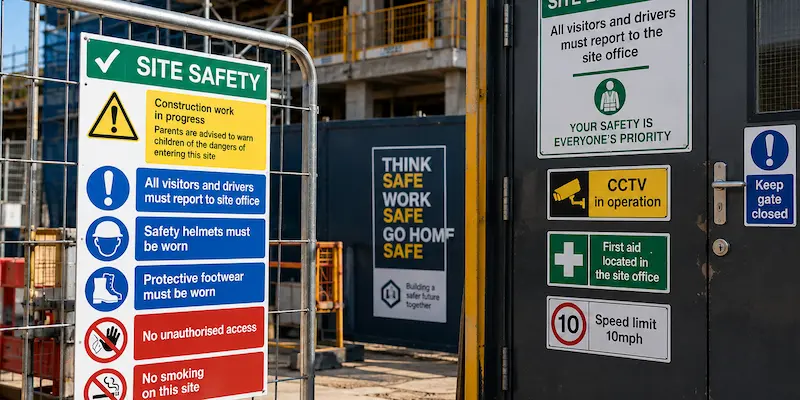
Refresh and Replace Damaged Site Safety Signage
If your signage is not printed on the correct material, it can deteriorate faster than expected.
Review:
- Obstruction by temporary structures
- Missing signs due to storm conditions
- Non-reflective signs used in low-light areas
- Incorrect placement based on the updated site layout
Priority Signage Includes:
- Mandatory PPE zones
- Hazard warnings (slips, trips, falling objects, working at height)
- Fire safety points
- First aid stations
- Restricted zones and vehicle routes
Inspect and Test Fire Safety Equipment
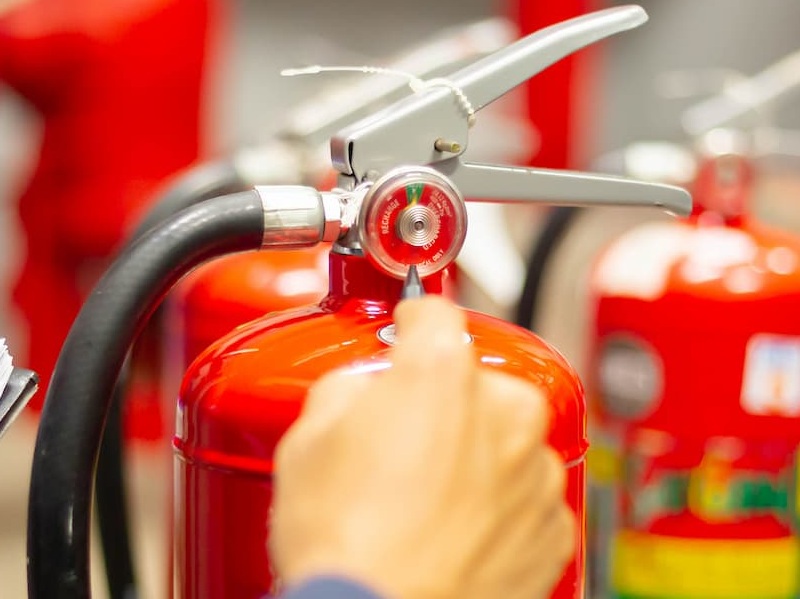
Core Equipment to Check
- Fire extinguishers (pressure, expiry, correct type)
- Fire blankets
- Dry powder extinguishers for plant areas
- Emergency lighting systems
- Temporary heaters to ensure correct clearance and ventilation
- PAT testing for electrical tools
Q1 Fire Risk Factors
- Additional electrical load for lighting
- Heaters that are placed too close to combustible materials
- Workers drying PPE or gloves near heat sources
- Enclosed winter working areas restricting airflow
Check All Working at Height Equipment & Training
Essential Q1 Checks
- Guardrails and toe boards
- Ladder condition
- Anchor points and lifelines
- Harnesses and lanyards
- Weather protocols for stopping height work
- Is work at height training up to date?
According to the HSE, falls from height continue to be the top cause of deaths in the UK construction industry. On top of that, cold weather makes every risk factor even worse. Shop height safety equipment now.
Schedule Q1 Safety Training and Toolbox Talks
When workers come back from their holidays, they can benefit from some structured refresher training. Here’s what we recommend for training sessions:
- Refresher on Working at Height
- Competence in Harness Use
- Emergency Rescue Procedures
- Manual Handling in Winter Conditions
- Fire Safety Awareness
- Plant Operation in Low-Visibility Conditions
For our Toolbox Talk Topics, consider covering:
- Ice Hazards
- Cold Stress and Hypothermia
- Safe Use of Heaters
- Slips, Trips, and Falls
- Correct PPE Usage
Audit Winter Workwear Compliance
Cold workers make poor decisions. Ensuring correct winter workwear reduces errors and increases site morale.
Check for:
- Waterproof thermal jackets meeting EN standards
- Insulated, waterproof safety boots
- High-visibility PPE
- Weather-appropriate functional gloves
- Proper layering that doesn't obstruct PPE
Review and Improve Site Lighting Levels
Having proper lighting on site is essential for safety. Here’s a quick checklist to keep in mind:
- Swap out any dim or flickering flood lights
- Make sure walkways, access points, and steps are well-lit
- Add extra task lighting in enclosed or detailed work areas
- Check the battery capacity of your emergency lighting
- Ensure there’s clear access to all lighting towers
Inspect Ground Conditions and Access Routes
Q1 calls for strict safety measures on the ground. Here’s what we need to focus on:
- Salting icy surfaces
- Clearing standing water every day
- Making sure delivery zones are slip-resistant
- Marking uneven areas with warning signs
- Applying temporary matting where necessary
Creating a safe site isn’t just a matter of wishing for it; it takes consistent, well-documented actions to make it a reality. This is where exceptional site managers really shine. They don’t take shortcuts; instead, they focus on thorough inspections, strong leadership, and an unwavering dedication to safety. Each item on this checklist is there for a reason; it helps prevent real accidents and keeps colleagues safe.

 Signage
  Publications
  Site Equipment
  Janitorial
  Welfare
  Traffic Management
  Temporary Protection
  Footwear
  Gloves
  Clothing
  Head Protection
  First Aid
  Fire
Fire  Spill
Spill  Height Safety
  Covid-19 Products
  Clearance