By Mark Smith 02/03/2026
Under: Health and Safety NewsWorld Hearing Day: Why Construction Hearing Protection Matters More Than Ever
Each year, on 3rd March, the importance of hearing health is brought to the fore by organisations across the world. World Hearing Day is an initiative by the World Health Organisation (WHO) to spread awareness about hearing loss and preventive measures. This is particularly important in the construction industry, where high levels of noise are prevalent, and permanent hearing damage can be caused if appropriate construction hearing protection is not taken.
Hearing loss can be prevented in many cases when taking early measures can help protect hearing. World Hearing Day promotes education and awareness about noise and ear protection, which is essential in all sectors, but even more so in noisy environments.
The Hidden Dangers of Noise on Construction Sites
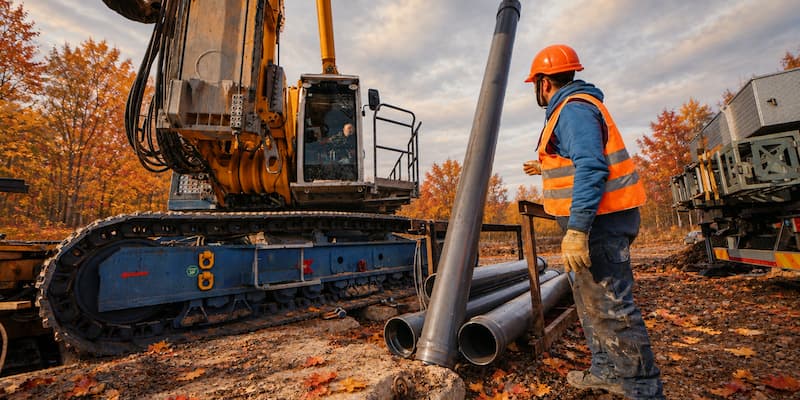
Construction sites regularly generate noise from equipment such as pneumatic drills, concrete cutters, and heavy plant. These tools can generate continuous sound levels that exceed safe exposure limits, often surpassing 85 decibels (dB), a level where prolonged exposure may lead to permanent hearing loss.
Signs of noise-induced hearing loss include:
- Struggling to comprehend speech in loud settings
- Ongoing ringing in the ears (tinnitus)
- Reduced situational awareness
- Communication challenges on-site

Why Protecting Your Ears Matters
- Irreversible nature of hearing loss: Once noise has caused damage, hearing cannot heal itself.
- Safety: A diminished ability to hear alarms or warnings heightens the risk of accidents on site.
- Communication: Effective communication on-site is vital for teamwork and ensuring safety.
- Health: Ignoring hearing loss can lead to stress, fatigue, and social isolation.
Even if the noise from machinery seems merely "loud", it can lead to damage over time. Adequate industrial hearing protection is a crucial component of any construction safety strategy.
UK Noise Limits: How Many dB Is Too Loud?
In the UK, there are specific regulations regarding noise exposure in the workplace, outlined in the Control of Noise at Work Regulations 2005. These rules are enforced by the Health and Safety Executive (HSE).
Here are the main exposure levels to be aware of:
- At 80 dB, known as the Lower Exposure Action Value, employers must be ready to provide hearing protection if an employee requests it, along with relevant training.
- When the noise reaches 85dB, which is the Upper Exposure Action Value, employers must provide and ensure the use of hearing protection.
- Finally, the Exposure Limit Value stands at 87dB. This is the highest average sound level a worker can be exposed to, factoring in any hearing protection that is used.
As a general guideline, if noise levels are consistently over 85dB, wearing hearing protection is essential. Given that construction sites frequently surpass these levels, having the right personal protective equipment (PPE) available is vital.
HSE Guidelines for Hearing Protection
The HSE guides how to integrate hearing protection into your noise control strategy effectively. First and foremost, hearing protection should only be utilised after all possible noise control and organisational measures have been taken.
It's essential to offer training and information on the proper use and upkeep of hearing protectors. Make sure that the devices you provide effectively lower noise levels, but not to the point where workers are unable to hear important warnings or communicate with one another.
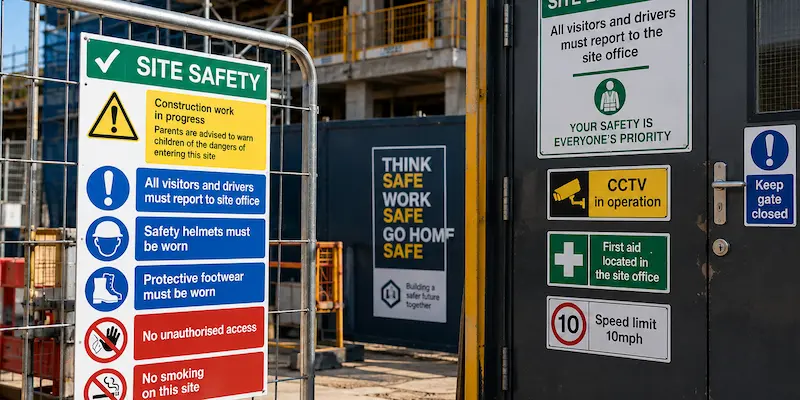
Clearly mark areas with safety signage to highlight where wearing hearing protection is mandatory. The ultimate aim is to keep noise levels below the upper action value while still allowing workers to operate safely and effectively.
How to Choose the Right Hearing Protection
When choosing hearing protection for construction workers, there are several key factors to take into account:
- Noise Level: The louder the environment, the greater the SNR (Single Number Rating) attenuation you’ll need.
- Comfort: If the personal protective equipment (PPE) isn’t comfortable, workers are less likely to wear it regularly.
- Compatibility: It's crucial that the hearing protection works well with other safety gear like helmets, safety glasses, and respirators.
- Frequency of Use: For tasks that involve frequent exposure to high noise levels, you might need more durable options.
The HSE points out that the SNR indicates how much sound reduction a protector can offer. For instance, if you're dealing with noise levels between 95 and 100 dB, you should aim for an SNR of 25 to 35 or more. And for noise levels exceeding 100 dB, you should opt for even higher attenuation levels.

Hearing Protection Options from Enfield Safety
Discover the essential hearing protection products featured on Enfield Safety’s UK site, designed to tackle a wide range of industrial noise challenges:
Ear Defenders (Passive Protection)
Sonis®3 Adjustable Ear Defenders, boasting a 37Db SNR, provide high-level protection ideal for extremely loud environments such as construction sites with heavy machinery or during demolition work.
Sonis®2 Adjustable Ear Defenders offer a 31Db SNR for medium-level noise, making them perfect for general construction and larger machinery operations.
If you're dealing with lower noise levels but still need protection, consider the Sonis®1 Ear Defenders with a 27Db SNR, suitable for environments where the sound is above safe limits but not overly intense.
For more affordable options, try the Earmuffs SNR27 and Earmuffs SNR30, both sturdy choices ideal for everyday site use.
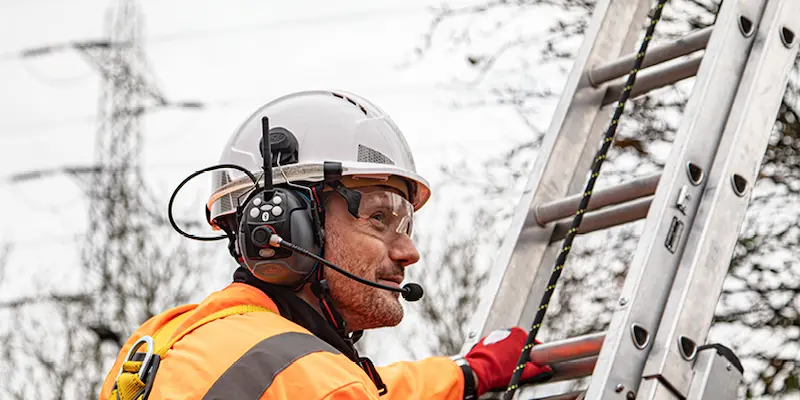
Additionally, the Helmet Mounted Earmuffs with a 29Db SNR can be easily clipped onto hard hats, providing seamless protection.
These products cover a broad spectrum of noise reduction to ensure that workers' exposure remains below recommended action levels when used properly.
Ear Plugs and Banded Options
The Ear Plugs SNR37 and Corded Ear Plugs SNR37 are available in disposable or corded versions, delivering reliable noise attenuation for high-decibel environments.
For those moments when noise is intermittent, the Banded Hearing Protector SNR26 is a lightweight, semi-aural option that’s easy to wear and store, making it perfect for situations where convenience, comfort, and frequent adjustments are necessary.
Ensuring hearing safety on construction sites is crucial for protecting workers, facilitating clear communication, and promoting long-term health. In the UK, any noise exceeding 85 dB mandates the use of hearing protection.
World Hearing Day is an opportunity to assess your site's approach to hearing protection. It's a good time to check how well products fit and to integrate training and proper usage into your safety practices.
For expert advice on a variety of ear defenders, earplugs, and hearing protection that allow for communication, catering to different noise levels encountered on job sites, speak to Enfield Safety.
 Signage
  Publications
  Site Equipment
  Janitorial
  Welfare
  Traffic Management
  Temporary Protection
  Footwear
  Gloves
  Clothing
  Head Protection
  First Aid
  Fire
Fire  Spill
Spill  Height Safety
  Covid-19 Products
  Clearance